In 2024, WISD partnered with the Youth Policy Lab, a joint research center of the Gerald R. Ford School of Public Policy and the Institute for Social Research, after the lab published statewide analyses of racial and socioeconomic disparities in Michigan’s CTE system.
This collaboration produced a report, “Inequities in CTE Access in Washtenaw County,” that revealed county students had access to fewer programs than the statewide average. Opportunities also varied substantially depending on a student’s district and school.
Low-income, Black, and Hispanic students were less likely to attend schools with on-campus CTE programs and had access to fewer programs than their white and more affluent peers. The disparities were particularly pronounced in fields connected to high-wage, high-demand careers.
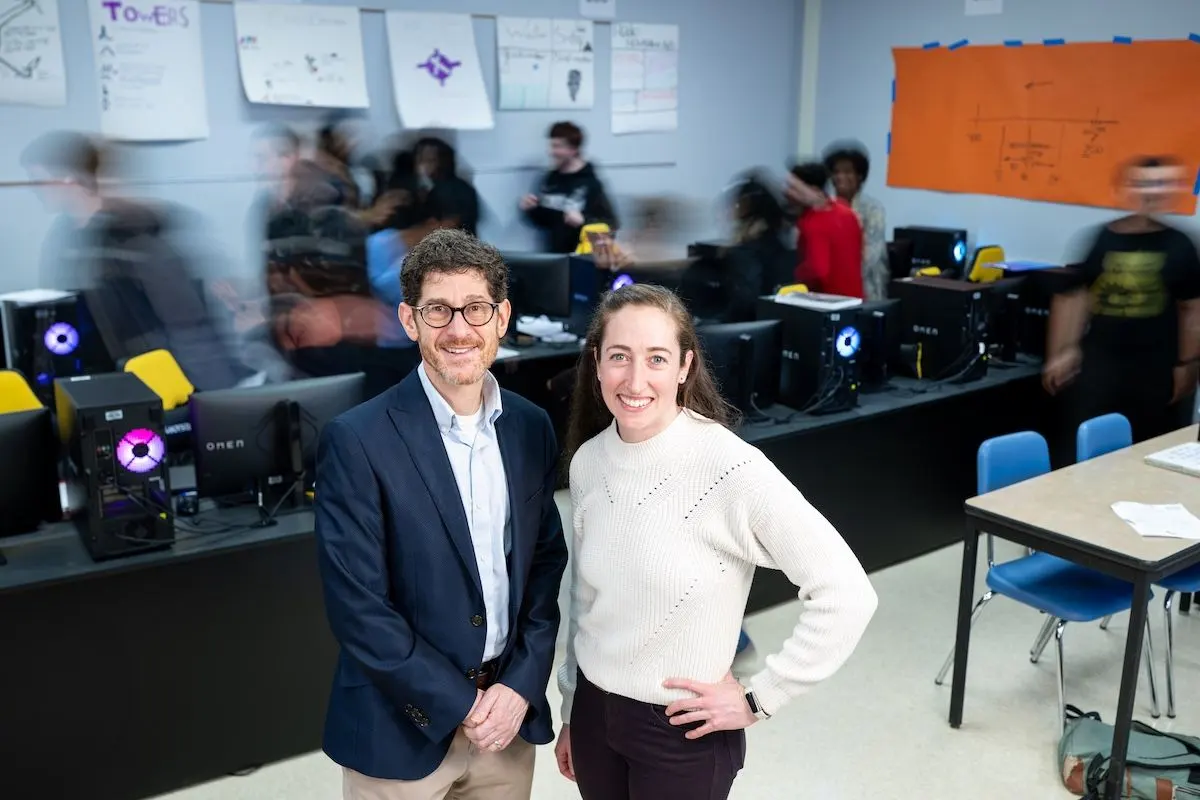
“Compared with state averages, these students have access to fewer programs,” said lead author Brian Jacob, the Walter H. Annenberg Professor of Education Policy and faculty co-director of the Youth Policy Lab at U-M.
The researchers traced some of those disparities to the county’s fragmented approach. Without dedicated countywide funding, districts historically operated programs independently or through consortium agreements. As a result, a student’s opportunities largely depended on where they lived and attended school.
Similar structural challenges can arise in communities across the country, particularly where districts vary in size, resources, transportation options, and proximity to employers or technical facilities. The study illustrates how detailed local data can reveal barriers that broader enrollment figures may overlook.
The report recommended a more unified countywide system, along with additional programs at comprehensive high schools and shared locations. It also identified transportation, scheduling, and sustainable funding as barriers that needed to be addressed.
Growing demand strains existing programs
Demand for CTE has risen rapidly in Washtenaw County even as overall student enrollment has declined. According to WISD’s “The Future Moves with Us” report, CTE enrollment grew 69% over four years, from 1,866 students in 2021–22 to more than 3,100 in 2024–25.
Temporary state grants helped increase the number of programs from about 53 to roughly 75 over three years. But those funds have ended, underscoring the need for a sustainable source of support.
“We’ve reached a tipping point,” said Ryan Rowe, who was WISD’s CTE director at the time and is now executive director of CTE governance and strategic initiatives. “If we want to meet the demand of students entering our CTE programs as a means to affirm their postsecondary path, then we need to have a sustainable funding model.”
County voters approved that model on Nov. 4, 2025, with the passage of a 10-year, one-mill property tax that will help preserve current programs, fund the development of new offerings, and create a more coordinated system across the county.
Millage funds are already being used to expand access to state-approved CTE programs by launching programs and adding sections where demand exceeds existing capacity. These investments have significantly reduced student waitlists across Washtenaw County, although demand still exceeds available seats in several programs.
This funding decision has broader relevance. As communities nationwide consider how to sustain CTE beyond short-term grants, Washtenaw County provides one example of pairing dedicated public funding with research on student needs and regional workforce opportunities.
Connecting students with education and careers
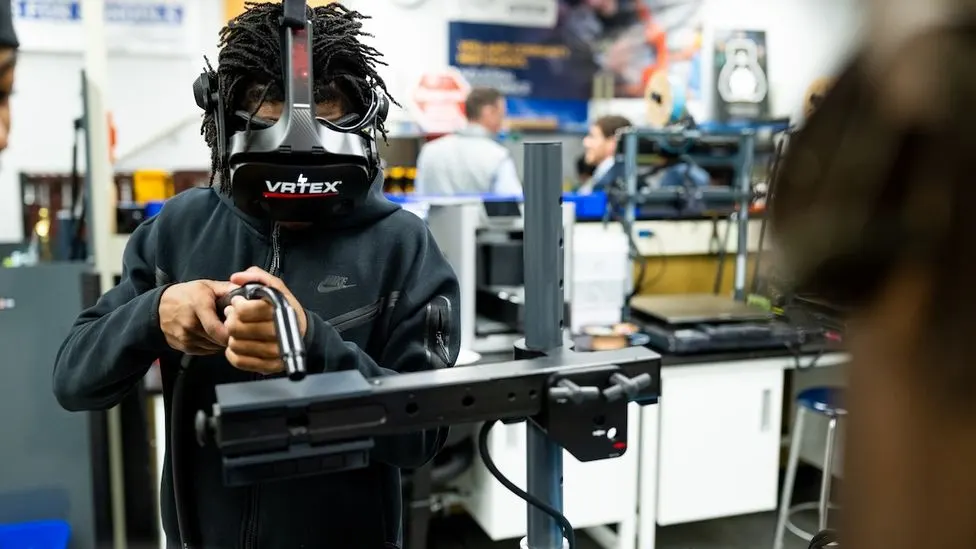
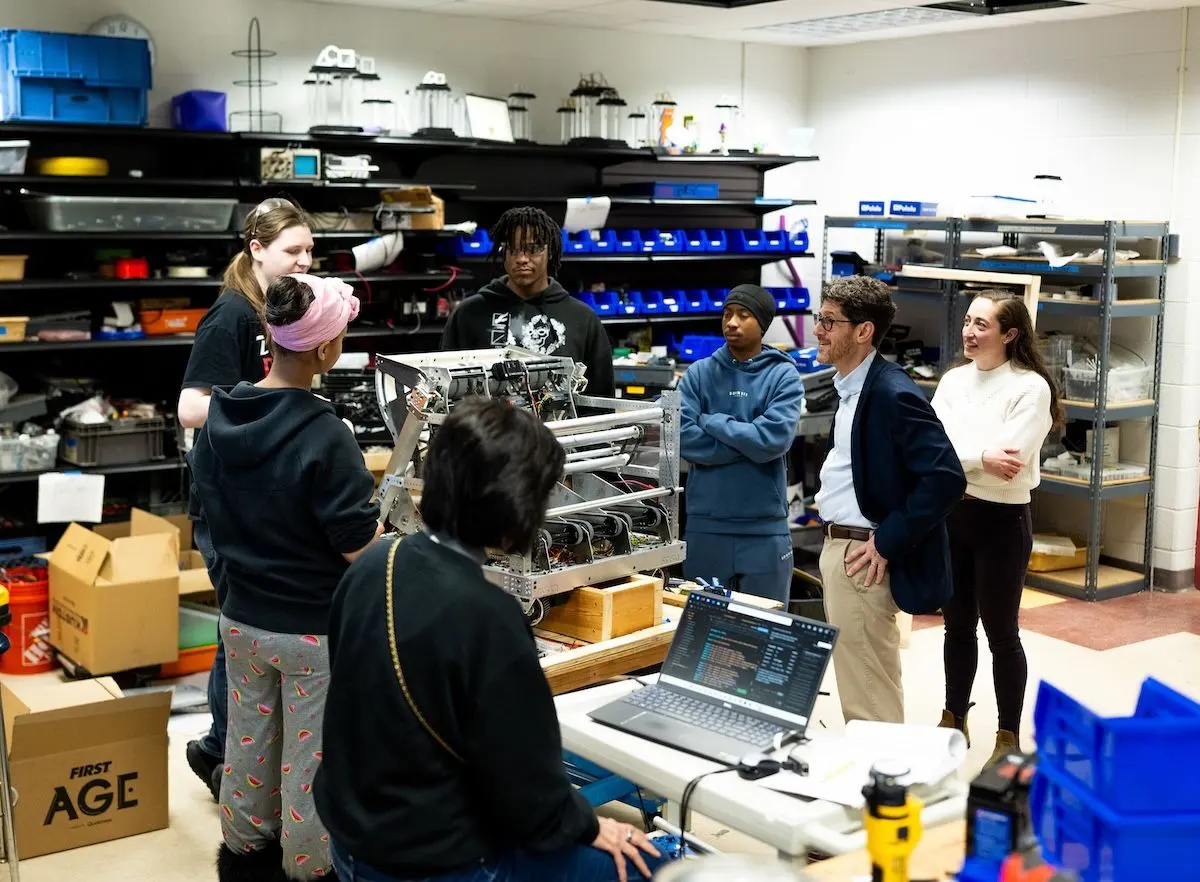
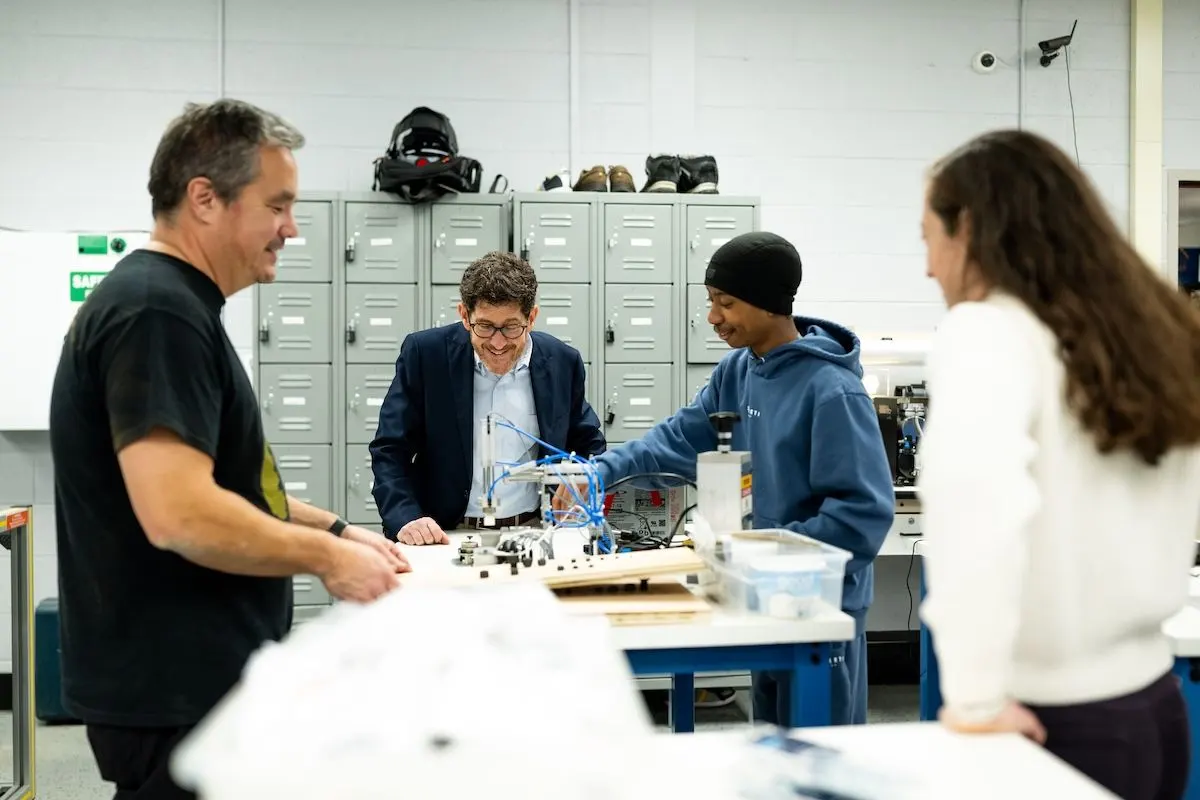
Career and technical education combines academic instruction with hands-on experience in fields such as health sciences, engineering, robotics, construction, cybersecurity, aviation, aerospace, and entrepreneurship.
These programs allow students to explore potential careers, develop practical skills, and make more informed decisions about college and other postsecondary pathways.
That guidance is increasingly important nationally as emerging technologies reshape jobs and industries seek workers with specialized technical skills. Effective CTE systems can connect secondary education, college, and employment while giving students multiple routes to economic mobility.
In Washtenaw County, 86% of CTE students enroll in college after high school, according to WISD. Among students who complete state-approved programs, 77.5% report using their skills in college or on the job.
Statewide data also show that Michigan CTE students earn higher median annual incomes than non-CTE students at comparable levels of educational attainment.
But the Youth Policy Lab found that access to programs tied to high-demand, well-paying careers remained uneven.
“To the extent that participation in a CTE program might make it more likely that a student will secure a job in that field, these results suggest that the distribution of CTE programming in Washtenaw County serves as a barrier to equitable economic opportunity,” Jacob said.
Rowe said the research clarified which students faced the greatest obstacles, particularly students of color, students from low-income families, and those attending smaller districts.
Turning evidence into opportunity
With long-term funding secured, WISD can now focus on ensuring that students have access to high-quality programs regardless of their school district, race, or family income.
“We simply can’t leave one student behind, and we cannot allow a ZIP code to determine their destiny,” Rowe said.
During the 2026–27 school year, the district plans to finalize a countywide CTE consortium agreement, sustain successful pilot programs, preserve existing offerings, and add programs in areas with immediate waitlist demand. The millage provides sustainable funding to maintain programming for approximately 4,000 students while creating capacity to explore, develop, and launch additional programs based on student interest, regional workforce needs, and high-wage, high-skill, and high-demand career opportunities.
“It’s amazing to be able to walk into your local public high school and see students piloting drones through an obstacle course or programming state-of-the-art 3D printing and advanced manufacturing equipment. Their faces light up when you ask about what they are learning. It’s wonderful that the county is able to expand these programs so more students can participate,” said Lynn Meissner, a project manager and researcher on the CTE project at Youth Policy Lab.
WISD also plans to purchase equipment, explore career learning from preschool through 12th grade, and study education and industry initiatives that could inform the county’s approach.
Transportation will remain a critical part of that work. Adding programs does not ensure equitable access if students cannot reasonably travel to them. As WISD and its partner districts develop a more coordinated CTE system, addressing transportation barriers will be essential to ensuring that students across the county can participate.
In addition to the millage funding, Lincoln Consolidated School District was awarded nearly $1.2 million in April 2026 through a new three-year categorical state aid grant. The funding will support a computer programming program at Lincoln High School and new programs in digital technology, construction, health and human services, and advanced manufacturing at Lincoln Middle School beginning in 2027–28.
Longer-term priorities include developing a robust work-based learning network and improving how program options and outcomes are communicated to students, families, employers, and other partners. The county also expects interest in state-approved CTE programs, work-based learning, and career-aligned dual enrollment to continue growing.
Why it matters
The project shows how university research, cross-sector collaboration, and sustained public investment can translate evidence into policy and expand access to career pathways. Washtenaw County leaders say they are grateful to county taxpayers for supporting career-focused and career-aligned educational opportunities.
The challenge is no longer simply whether students are interested in CTE. It is building a sustainable system with sufficient capacity, transportation, infrastructure, and programming to ensure that student interest translates into meaningful access and participation. As regions nationwide work to prepare students for a changing economy and meet employers’ demand for skilled workers, Washtenaw County’s approach could offer a model for aligning educational opportunities with workforce needs and launching students on paths to success.
Since 2024, the Youth Policy Lab has gone on to conduct similar research with the Livingston Educational Service Agency and to partner with organizations in Detroit to analyze career-connected learning opportunities in Detroit public schools.