U-M’s team leads NASA’s CLEAR Center (Center for All-Clear Solar Energetic Particle Forecasts), developing integrated forecasting systems that combine physics-based modeling, machine learning, and real-time solar observations—a cutting-edge approach that also emphasizes reliable “all-clear” forecasts when conditions are not hazardous.
What happened:
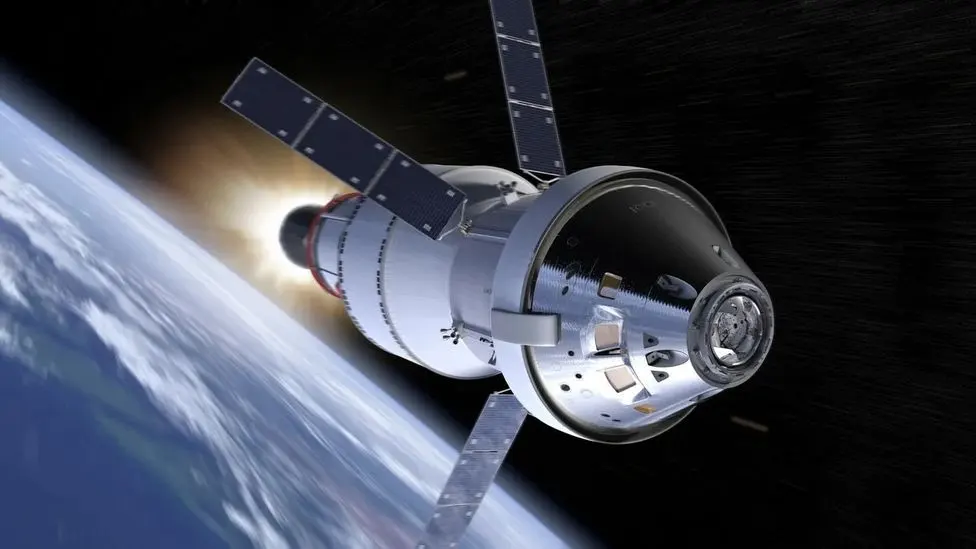
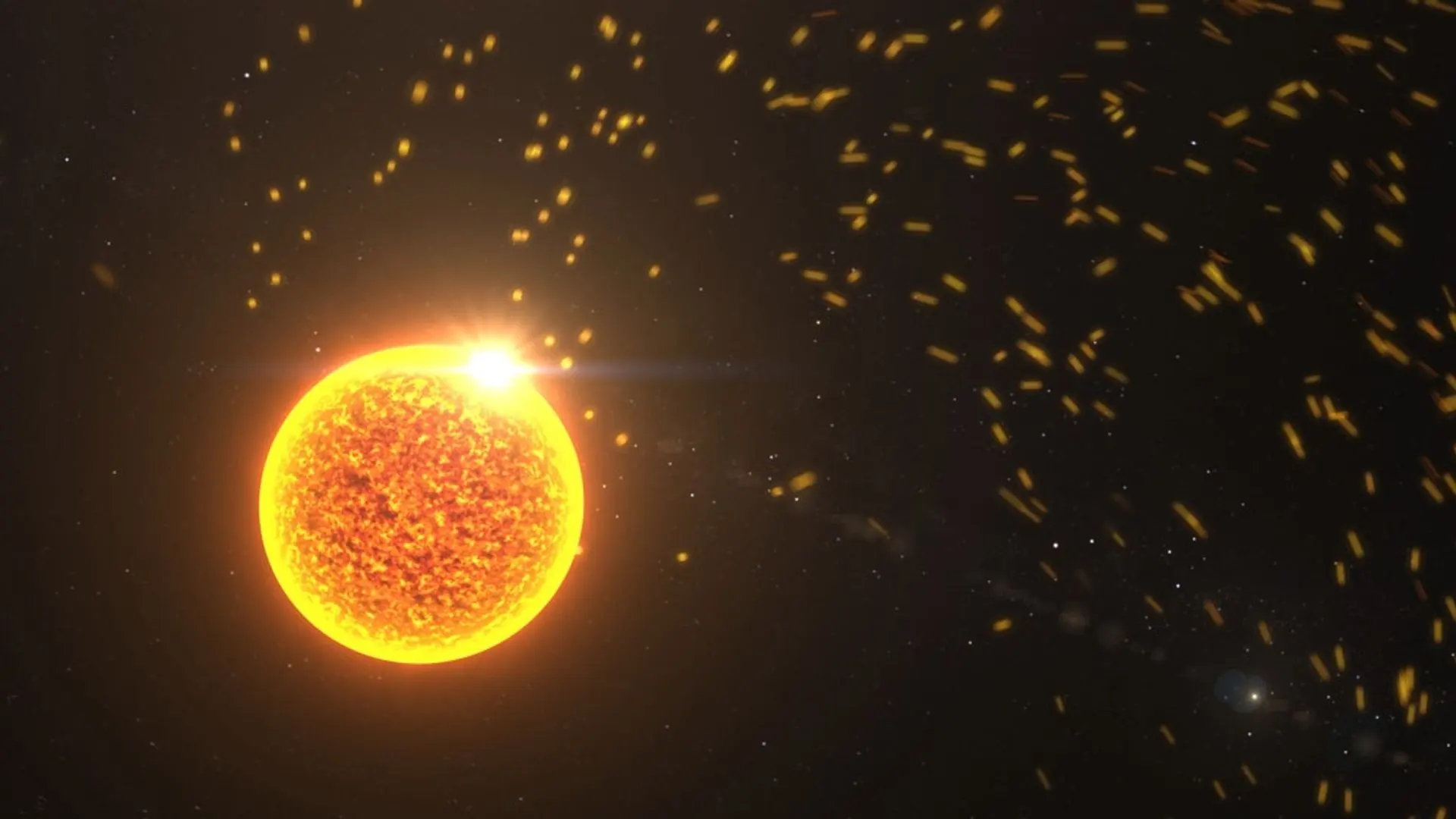
- NASA monitored U-M’s solar particle forecasts during Artemis II as a demonstration of next-generation SEP forecasting to support crew safety beyond Earth’s magnetic shielding.
- A machine-learning forecast ran daily, using satellite images of the sun and corona to estimate the probability of a hazardous particle event, similar to a weather forecast.
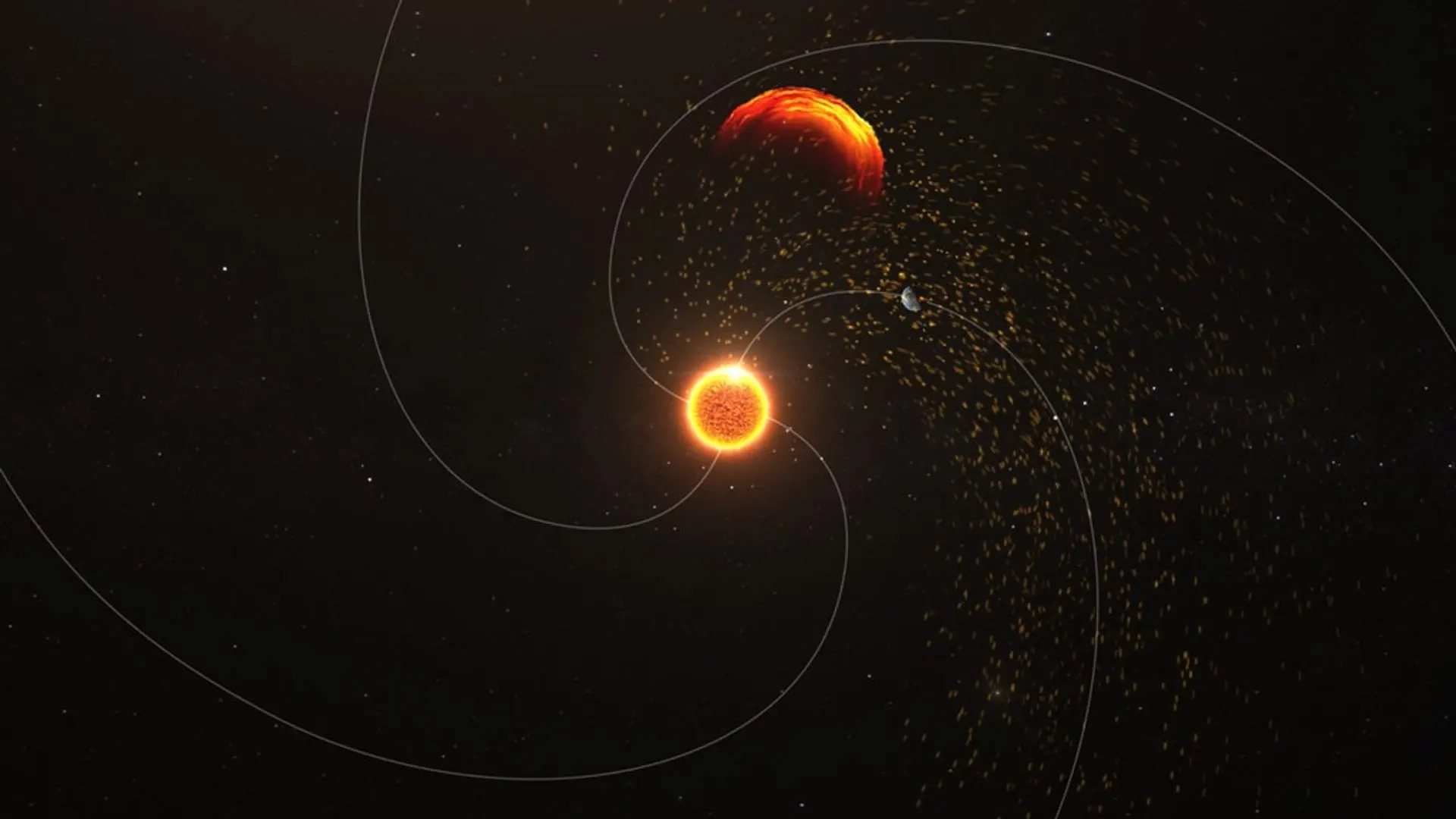
- A physics-based model estimated event timing, severity, and duration, including when hazardous radiation could reach Earth and the moon and how long elevated levels could persist—capturing particle acceleration processes in the solar corona.
- NASA provided high-performance computing resources so the physics-based model could run quickly after eruptions, when harmful particles could arrive in minutes.
Why it matters:
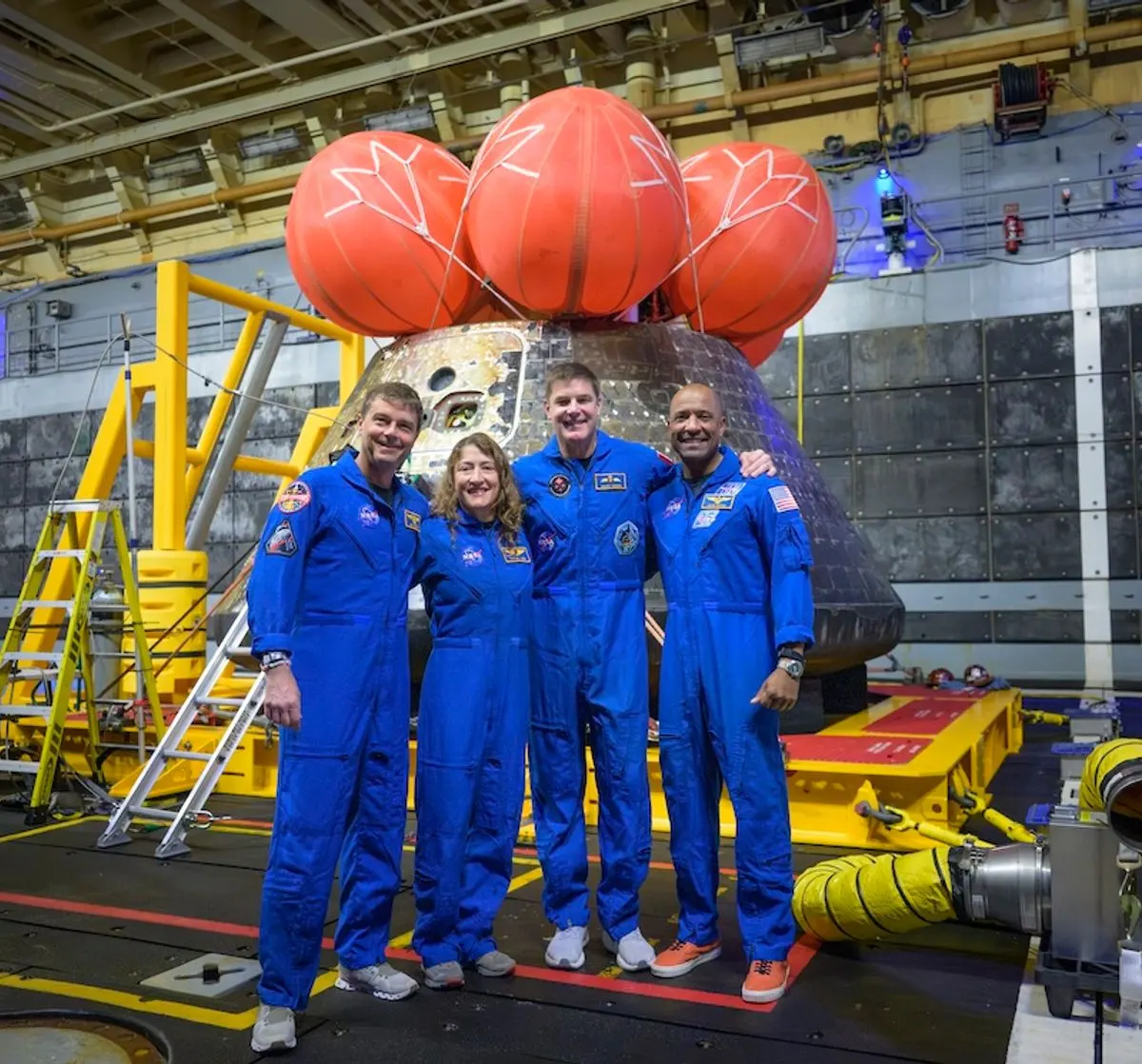
Solar energetic particles—fast-moving protons accelerated by shocks from solar flares and eruptions—could pose health risks in deep space. Earlier warnings help NASA better position operational guidance, including cabin reconfiguration strategies that increase shielding with stowed equipment.
Beyond Artemis II, this demonstration underscores Michigan’s broader reputation in space weather, including its history of producing widely used community tools (such as the Space Weather Modeling Framework) that have supported government and research applications worldwide.