What’s Happening:
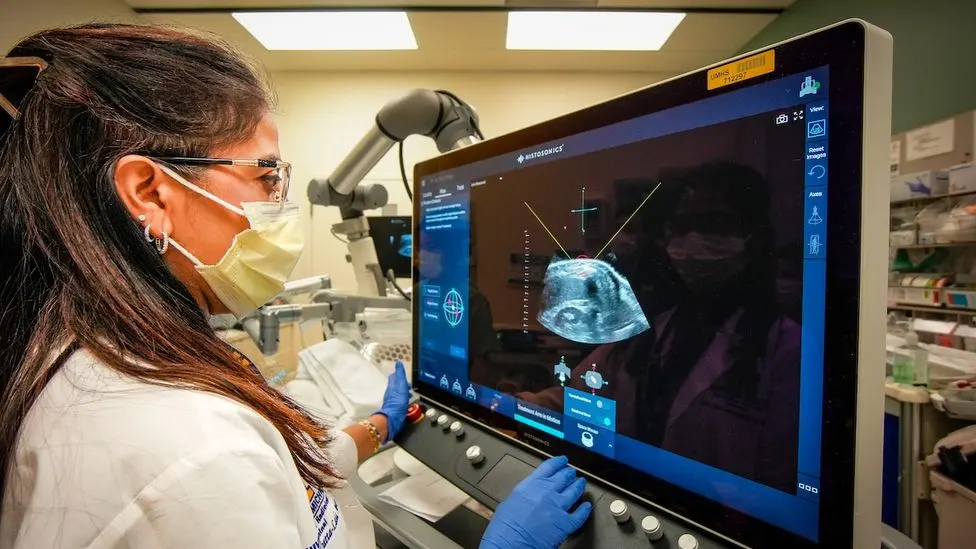
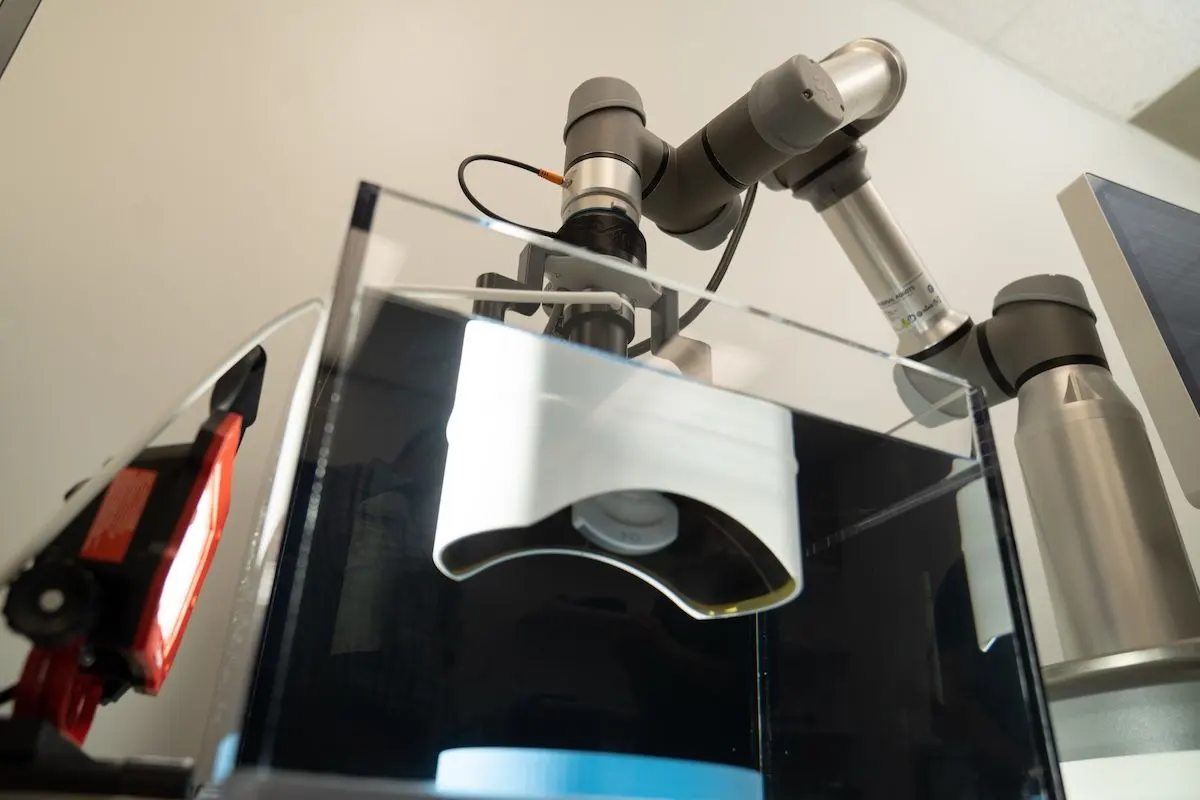
- How it works: Histotripsy uses exacting ultrasound waves to target tumors. These waves generate tiny, fast-forming microbubbles within the cancer. When the bubbles collapse, they break apart tumor cells, turning them into harmless liquid debris—while leaving surrounding healthy tissue untouched.
- No incisions or toxicity: Unlike chemotherapy, radiation, and surgery, histotripsy is non-invasive, has minimal or no pain, and avoids the toxic effects of conventional treatments.
- Immune response: The procedure not only destroys tumors but can also activate the body’s own immune defenses against cancer.
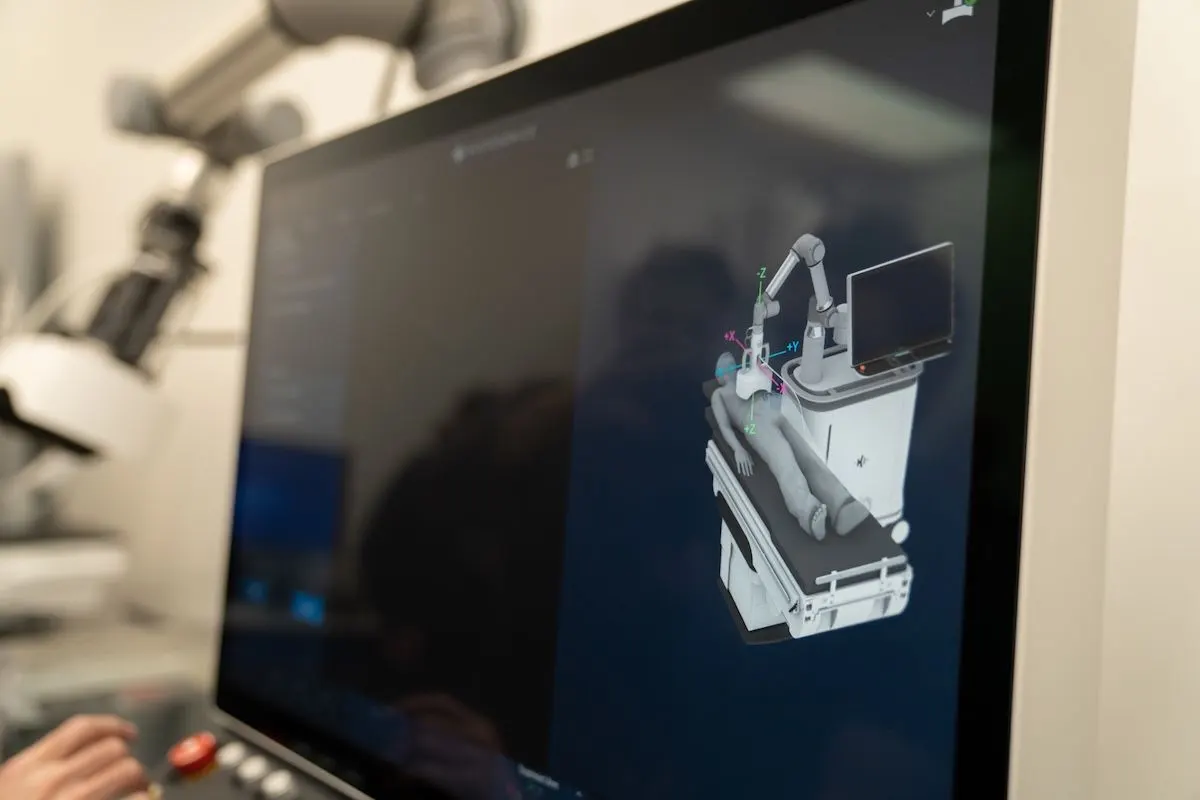
- Global impact: Over 3,000 patients have received histotripsy treatments for liver cancer using the FDA-approved Edison device. One hundred systems are installed in medical centers worldwide, including the U.S., U.K., Hong Kong, and the UAE.
- Expanding horizons: Research continues at U-M to bring histotripsy to more cancer types, including kidney, pancreatic, breast, prostate, thyroid, and brain tumors. Histotripsy may also hold promise in treating neurological and cardiovascular diseases.
- Clinical progress: Ongoing trials in the U.S. and Spain are exploring histotripsy’s effectiveness for kidney and pancreatic tumors.
The Innovators Behind Histotripsy:
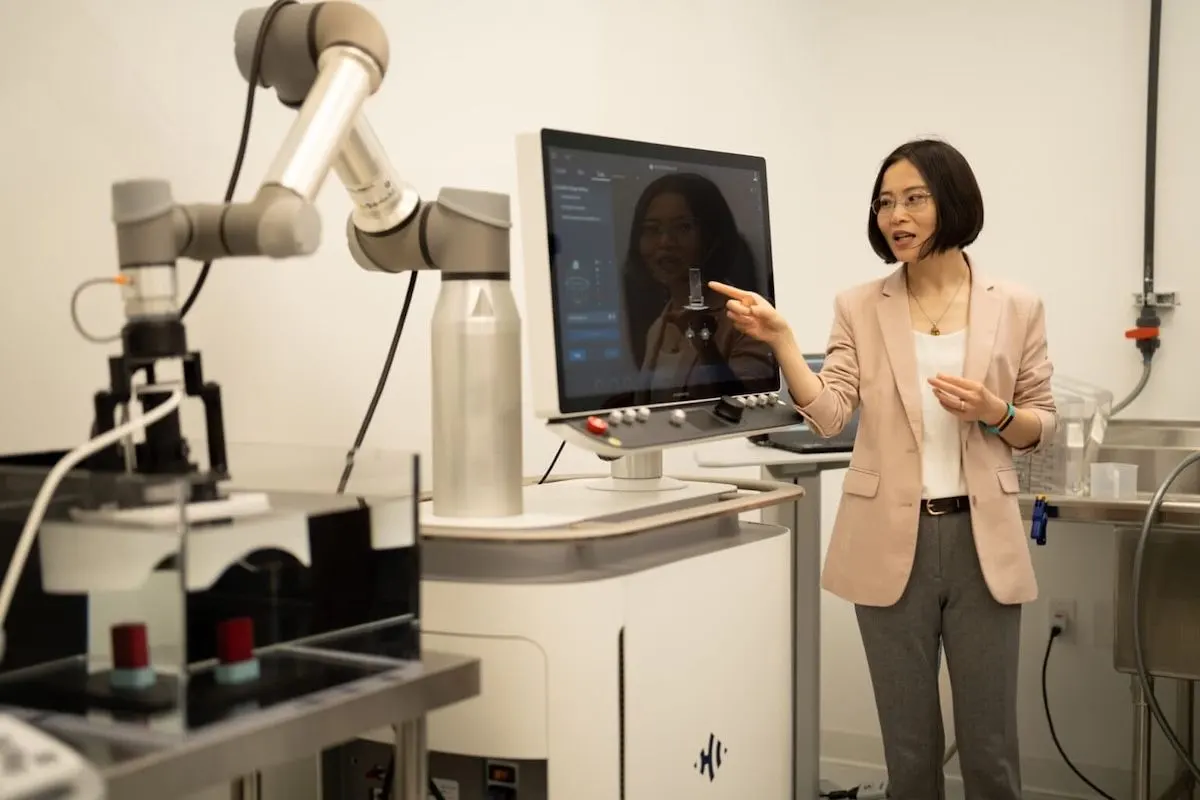
Histotripsy grew from the visionary work of Professor Xu and her late mentor, Professor Charles Cain (“the father of histotripsy”), along with other U-M engineers and doctors. Since founding HistoSonics in 2009, their efforts have scaled up dramatically—in August, HistoSonics was acquired by a global investment syndicate for $2.25 billion, reflecting worldwide confidence in the technology.
3,000
Over 3,000 patients have received histotripsy treatments for liver cancer using the FDA-approved Edison device.
Impact Areas featured in this story
Over the next 10 years, we will make demonstrable advancements for the greater good in these five impact areas: